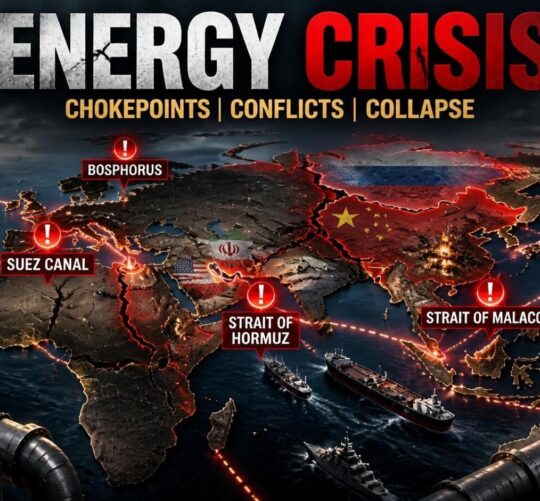
Tankers burning in Hormuz, and Secretary Wright is highly confident Europe will dump emergency diesel stocks

Tankers are burning in the Strait of Hormuz, visible traffic through the waterway has collapsed to a fraction of normal levels, and U.S. Energy Secretary Chris Wright says he is “highly confident” Europe will draw down emergency diesel stocks to ease a global shortage. The combination is keeping a firm geopolitical premium in crude while […]

Continue Reading

White House Showing Restraint on a Diesel Export Ban Is the Right Call for American Energy Dominance

The White House’s decision this week to step back from a blunt 90-day diesel export ban is one of the most important energy-security signals of 2026. Record pump prices invited a political shortcut. The administration, led by Energy Secretary Chris Wright, instead chose the harder and more honest path: keep the refining system running and […]

Continue Reading

Wind Energy Market at a Crossroads

The wind industry is approaching a structural inflection point. Early fleets in Europe and the United Kingdom are aging faster than advertised, composite blade waste is outrunning recycling capacity, and decommissioning liabilities are coming due just as subsidy structures change. Two recent posts by Peter Clack capture the twin problems: rapid performance decay well short […]

Continue Reading

The UK’s Net Zero Policies Strike Again as Ineos Halts Three Chemical Plants Due to High Energy Costs

Ineos, the chemicals giant owned by Sir Jim Ratcliffe, is idling all three of its world-scale acetyls plants in Hull, northern England. The facilities—Europe’s last remaining plants of their kind—produce essential feedstocks for pharmaceuticals, clothing, cosmetics, detergents, construction materials, and military explosives. Two have already stopped production; the third will follow in days. The site […]

Continue Reading

Britain’s £150 billion grid rebuild is being sold as the price of cheap, clean power. The more useful question is whether the country is paying to lock in an expensive, weather-dependent system after already shutting the firm plants that used to keep prices and industry competitive.

The National Energy System Operator’s figures put transmission investment at about £64 billion through 2030 and another £89 billion after that—more than £150 billion in all. The Guardian’s mapping of official recommendations points to well over 4,000 miles of new power lines by 2041, plus subsea cables and converter stations to move Scottish and offshore […]

Continue Reading