Russian Oil Market is Reshaping: EU’s Oil Crisis Creates Long-Term Wins for Moscow

As of April 23, 2026, the European Union finds itself in the throes of a deepening oil crisis, one that underscores the fragility of its post-Russia-sanctions energy strategy. Russia’s strategic redirection of Kazakh oil flows through the Druzhba pipeline—announced today by Deputy Prime Minister Alexander Novak—has pushed Germany and much of the EU into what […]

Continue Reading

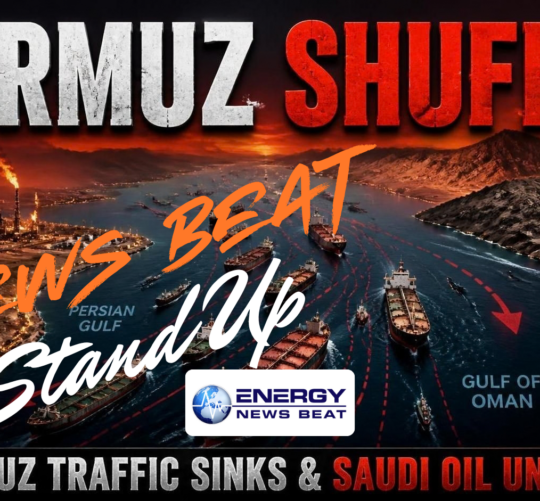
Two Indian-flagged ships carrying Iraqi oil were struck. What does this mean for the oil, gas and LNG markets?

In a sharp escalation of tensions in the Persian Gulf, two Indian-flagged vessels—one a VLCC supertanker carrying approximately 2 million barrels of Iraqi crude—were fired upon by Iranian Revolutionary Guard Corps (IRGC) gunboats in the Strait of Hormuz on April 18, 2026. The ships, identified as the Sanmar Herald and Jag Arnav, were forced to […]

Continue Reading

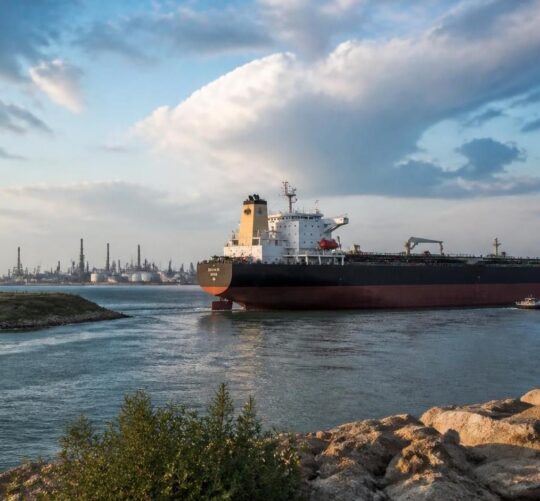
Oil Tankers and Traffic Test Hormuz Reopening

In a significant development for global energy markets, Iran announced today that the Strait of Hormuz is now “completely open” to commercial shipping for the remainder of the fragile ceasefire period tied to the Lebanon truce. The announcement, made by Iranian Foreign Minister Abbas Araghchi, comes amid ongoing U.S. naval restrictions on vessels calling at […]

Continue Reading

A Structural Shift in Capital Allocation in the Energy Sector is Underway Due to the Iran Conflict

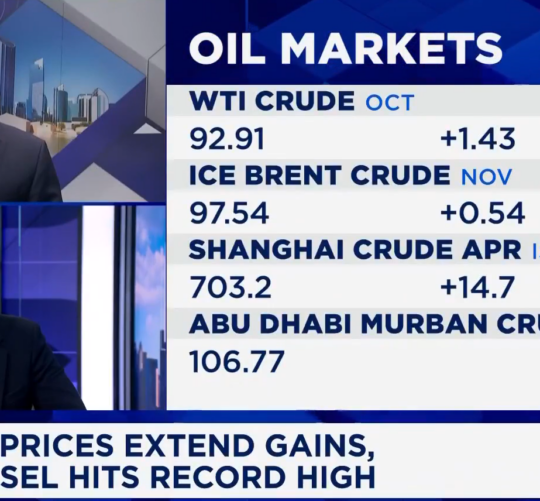
The 2026 Iran conflict, which escalated in late February with U.S.-Israeli strikes and Iranian retaliation—including the effective closure of the Strait of Hormuz and attacks on energy infrastructure—has triggered the largest supply disruption in global oil market history. Nearly 20% of the world’s oil and significant LNG volumes have been taken offline, sending Brent crude […]

Continue Reading