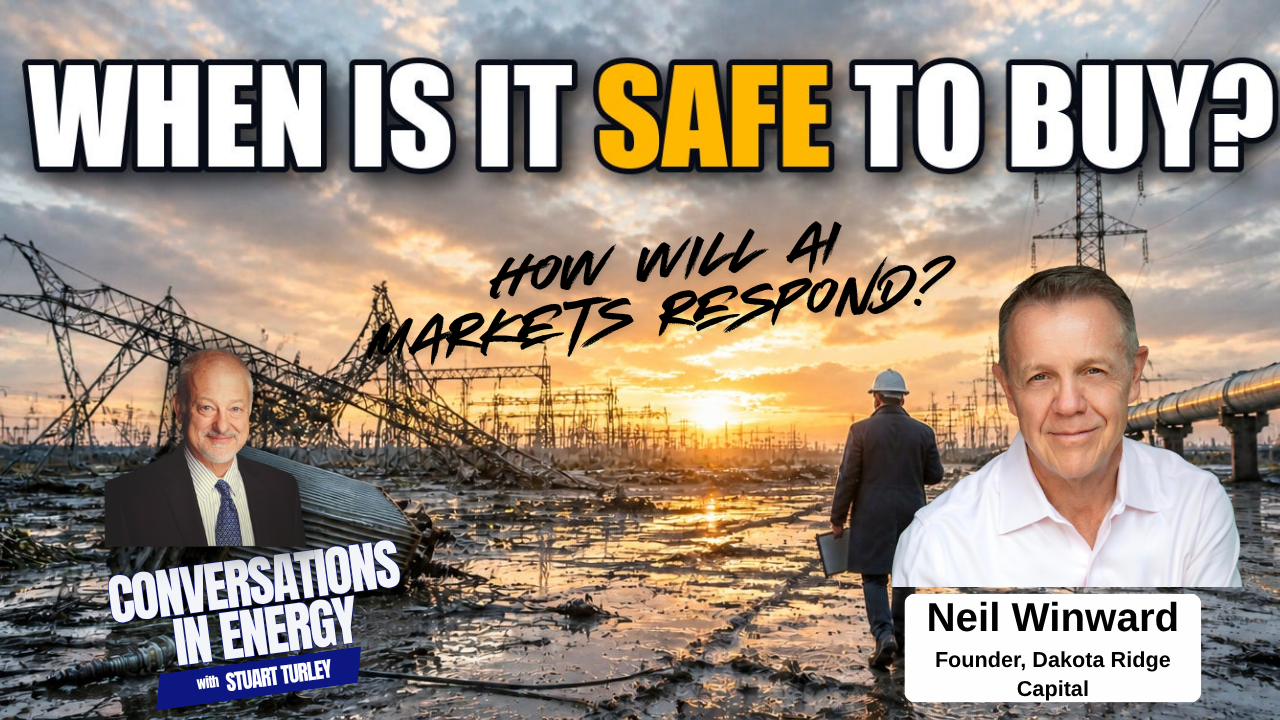
This was a fun podcast, and we covered a lot, including Bloom Energy and Neil’s Substack, The AI Grid Report. We highly recommend subscribing.
In this episode of the Energy Newsbeat Podcast, host Stu Turley sits down with Neil Winward, founder of Dakota Ridge Capital and author of the AI Grid Report Substack, to explore one of the most consequential intersections in modern energy markets: the explosive demand for grid infrastructure driven by artificial intelligence.
As data centers consuming unprecedented amounts of electricity proliferate across the country, the conversation delves into how investors should navigate this complex landscape—examining which grid stocks offer genuine value versus those merely riding the semiconductor wave, analyzing the technological solutions competing to power AI facilities, and confronting the regulatory, financial, and environmental challenges that threaten to constrain growth. From the intricacies of ERCOT’s Texas grid to the geopolitical energy crisis unfolding in Europe, Turley and Winward unpack the critical decisions facing policymakers, utilities, and investors in determining whether America can build the infrastructure necessary to lead the AI revolution—or whether regulatory overreach and misaligned incentives will cede that advantage to competitors like China.
Connect with Neil on his LinkedIn Here:

1. AI and Grid Infrastructure Investment
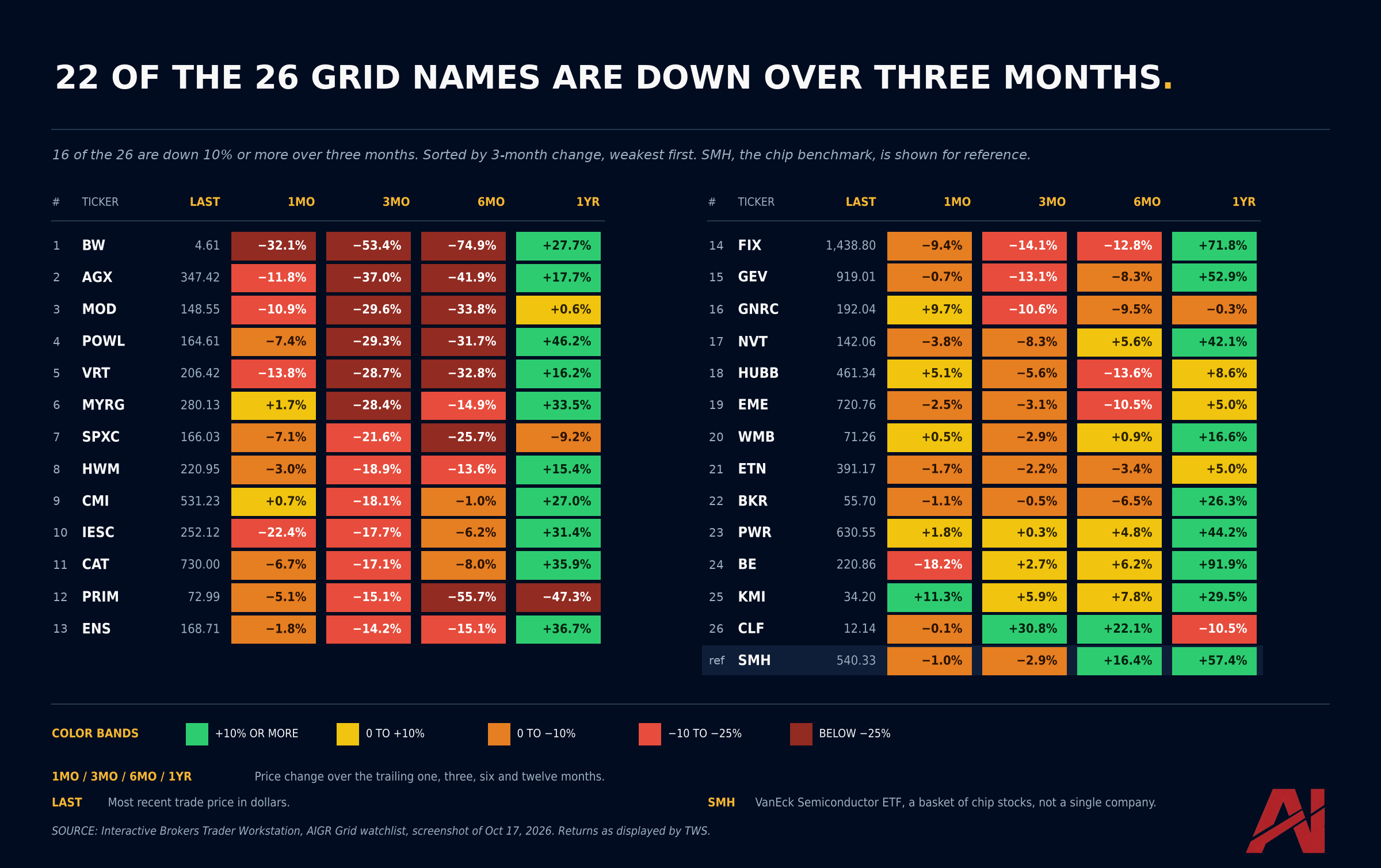
The conversation centers on how AI data centers are driving massive demand for grid infrastructure and energy. Neil discusses his research into which grid-related stocks are worth investing in, noting that many grid stocks are trading like semiconductor stocks due to their correlation with AI chip demand.
Here is one of the slides we covered in the article on Neil’s Substack.
2. Stock Market Correlation and Volatility
A key theme is how grid stocks (like GE Vernova and Bloom Energy) are highly correlated with semiconductor stocks (SMH, SOX indices) rather than behaving as traditional grid stocks. This creates unpredictable volatility—orders and earnings announcements don’t always drive stock prices the way investors expect.
3. Energy Generation Technologies
The discussion explores various power generation solutions for data centers:
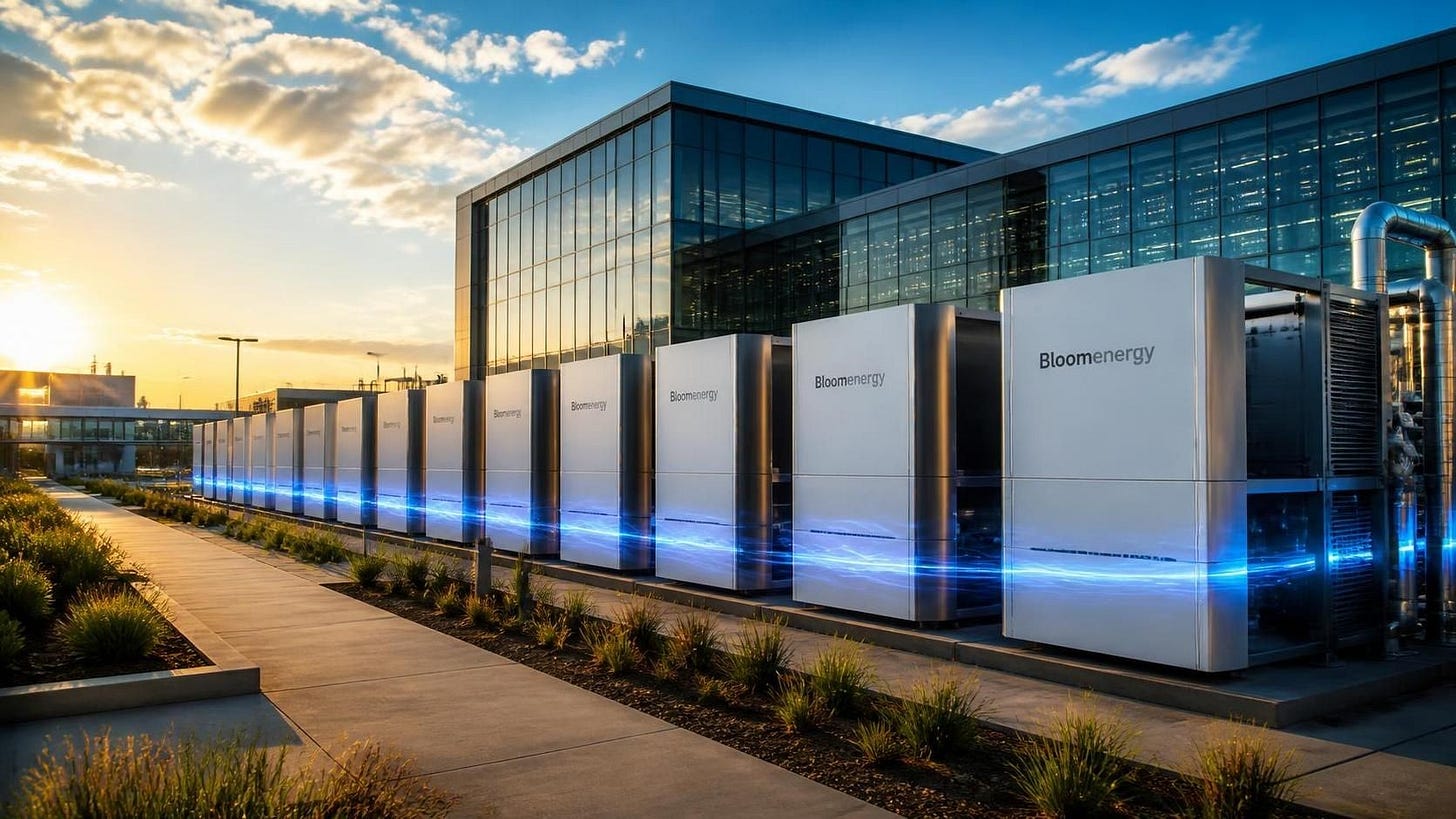
- Bloom Energy (fuel cells) – praised for reliability, modularity, and native DC delivery. I have the research team writing an article; they use mostly natural gas and still emit. We will review those numbers and their marketing. Emissions are lower than a standard natural gas turbine, but the cost to consumers is yet to be determined.
- GE Vernova (gas turbines) – facing supply constraints with a 5-year waitlist
- Natural gas turbines – discussing wear-and-tear issues from frequent cycling to meet variable demand
- Bloom Energy: Fuel Cells, Natural Gas and the AI Power Rush
- Full breakout on Energy News Beat – Bloom Energy sells on-site fuel-cell power plants to data centers, utilities, and businesses, marketing them as “clean energy.” ENB checked the company’s filings, product specs, and deals against federal data. Bloom’s sales and profits rose sharply in the first half of 2026, and as of the Oct. 21, 2026 close, its stock was up more than tenfold in five years. But on natural gas, which fuels most of its fleet, a Bloom server emits about as much CO2 per megawatt-hour as the average U.S. grid. It is cleaner than the gas turbines and engines it often replaces, not zero-carbon.
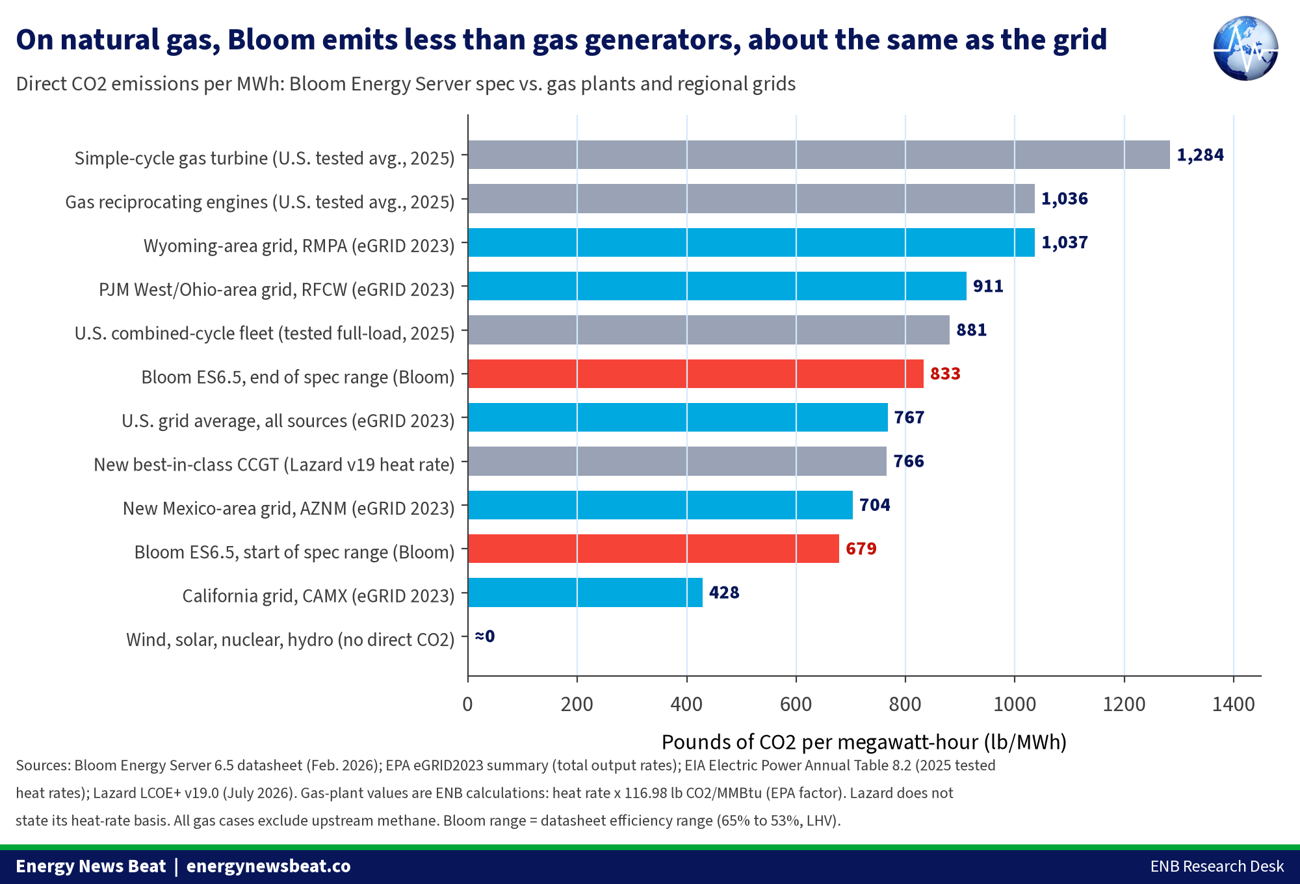
Chart 6. Direct CO2 per MWh. Sources: Bloom datasheet (Feb. 2026); EPA eGRID2023; EIA Electric Power Annual Table 8.2; Lazard LCOE+ v19.0; ENB calculations.
4. Grid Transmission and Capacity Challenges
Extensive discussion of Texas’s ERCOT grid, transmission line projects (like the 765 kV lines from the Permian), and the costs of expanding grid infrastructure. The conversation addresses who should pay for transmission upgrades—data centers or ratepayers.
5. Wind and Solar Subsidies vs. Nuclear
A critical examination of the $10.3 trillion spent on wind and solar subsidies versus nuclear, with the argument that similar investment in nuclear would have built 173 additional reactors instead.
6. Grid Reliability and Regulatory Issues
Discussion of grid stability challenges, the impact of renewable variability, regulatory overreach in blue states driving up electricity costs, and the need for better energy policy.
7. European Energy Crisis
Brief coverage of Europe’s energy challenges following sanctions on Russian energy and over-reliance on wind/solar without adequate backup capacity.
8. Environmental and Land Use Concerns
Concerns about wind turbine blade disposal, solar panel recycling, land reclamation costs ($89 billion liability), and the land footprint differences between renewable and traditional energy sources.
9. Tesla and Distributed Energy Resources
Discussion of Tesla’s battery storage, vehicle-to-home technology, and automation in manufacturing as solutions for distributed energy management. When will Tesla merge with SpaceX, and what does that mean for energy in the U.S.?
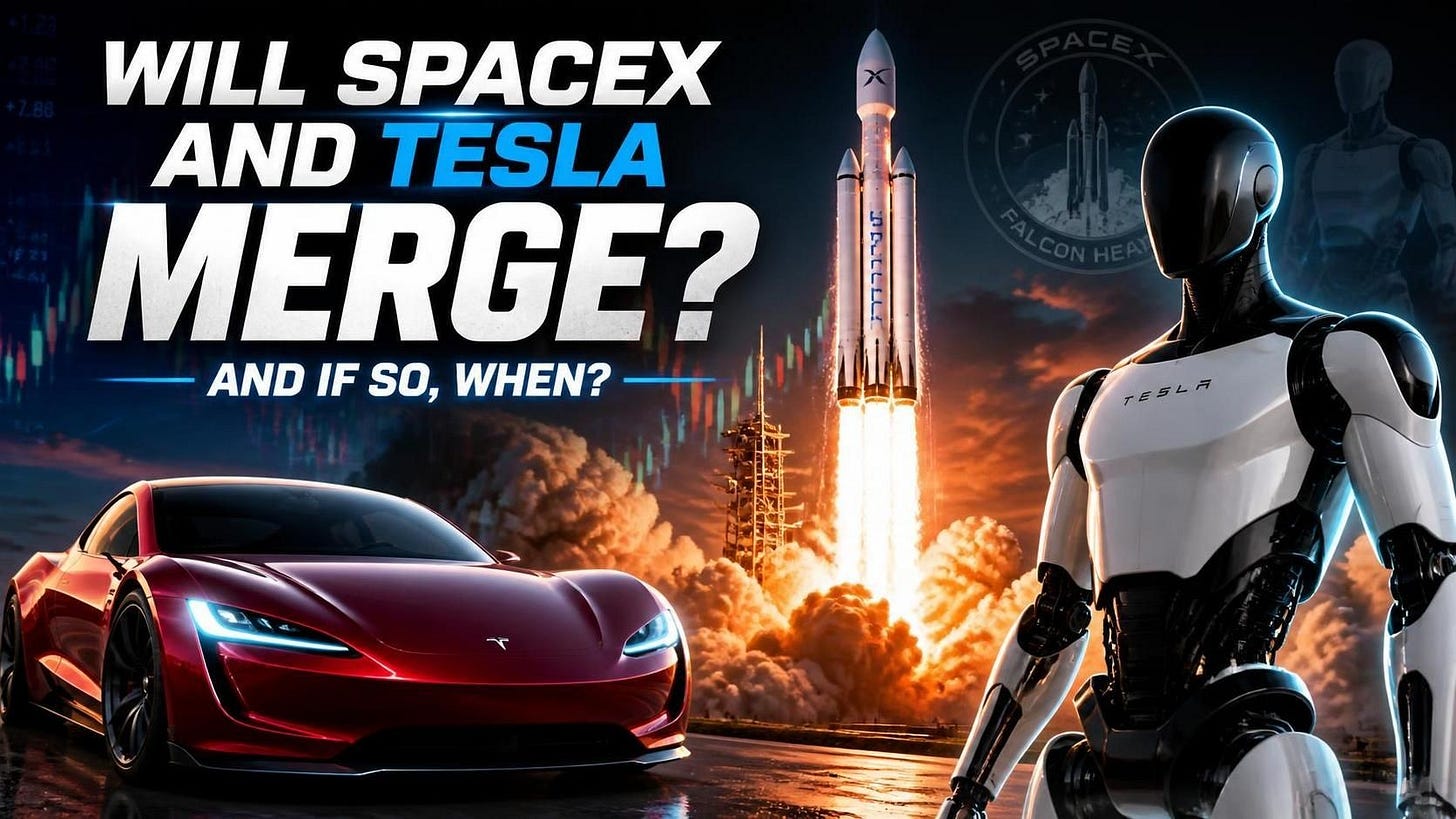
Just finished an article on Energy News Beat on this one.
We would also like to give our sponsors a shout-out.
Check out the World’s Greatest Podcast Show Notes at EnergyNewsBeat.co or EnergyNewsBeat.com, and the Energy News Beat Substack at:

At The Intersection of Energy and Finance – By Sandstone Group
A shout-out to Steve Reese and the Reese Energy Consulting group for sponsoring the Podcast https://reeseenergyconsulting.com/.
Data2 if you have any business systems, can you trust A? Well, they have the patent on validation. . https://data2.zoholandingpage.com/energy
And we have WellDatabase rolling, and we use their tools for the Energy News Beat weekly Rig Reports: https://welldatabase.com/
Also entering Sponsor Rey Trevino, Pecos Operating https://pecos.energy/