


In this episode of the Energy Newsbeat podcast, host Stu Turley sits down with David Blackmon (Forbes contributor and Energy Impacts podcast host) and Mike Umbro (energy innovator and founder of California for Energy and Science) to explore a groundbreaking solution to California’s energy crisis. The conversation centers on Geologic Thermal Energy Storage (GeoTES)—a revolutionary technology that harnesses solar energy to heat oil reservoirs, enabling zero-emission, dispatchable power generation while simultaneously producing oil from existing fields. Against the backdrop of California’s soaring electricity prices, refinery closures, and grid instability, the hosts examine how this innovative approach could reshape the state’s energy landscape. They also delve into the regulatory obstacles, climate policy contradictions, and the broader implications of energy independence, revealing how domestic energy production—far from being incompatible with environmental goals—may be essential to achieving them.
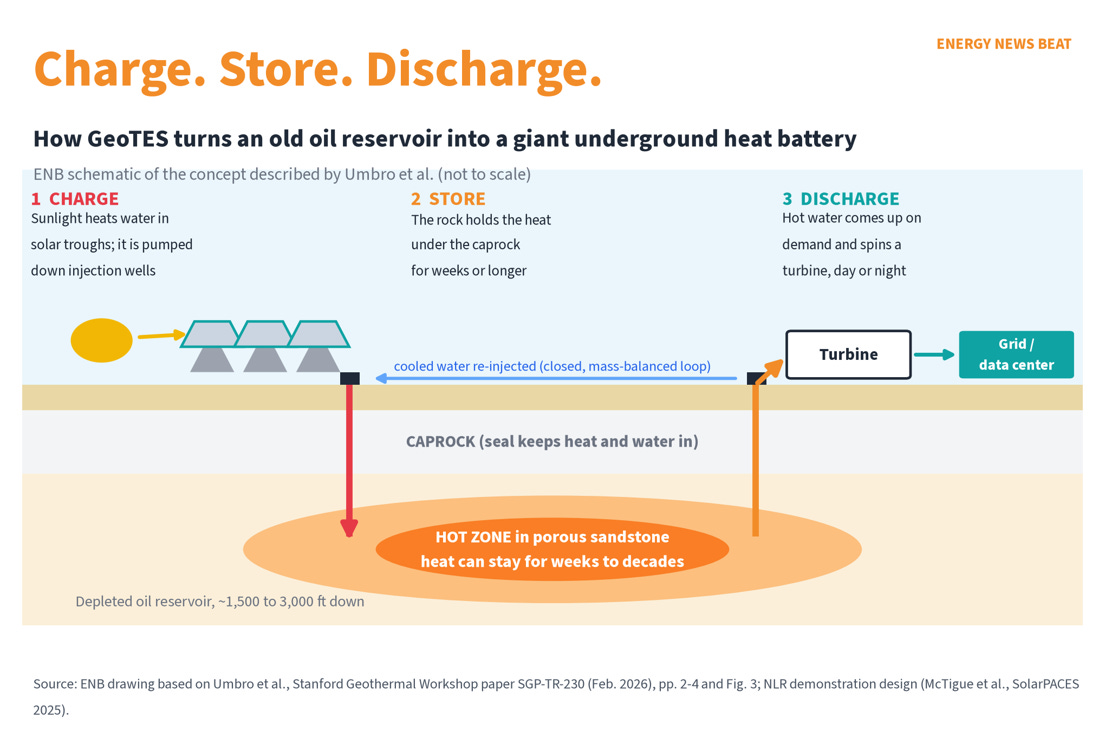
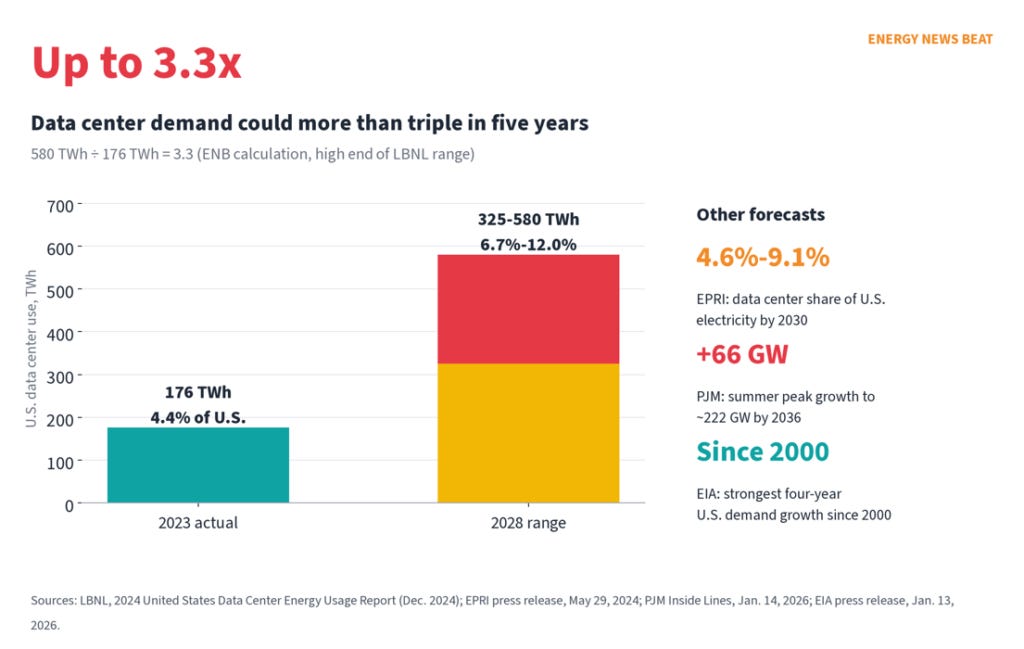
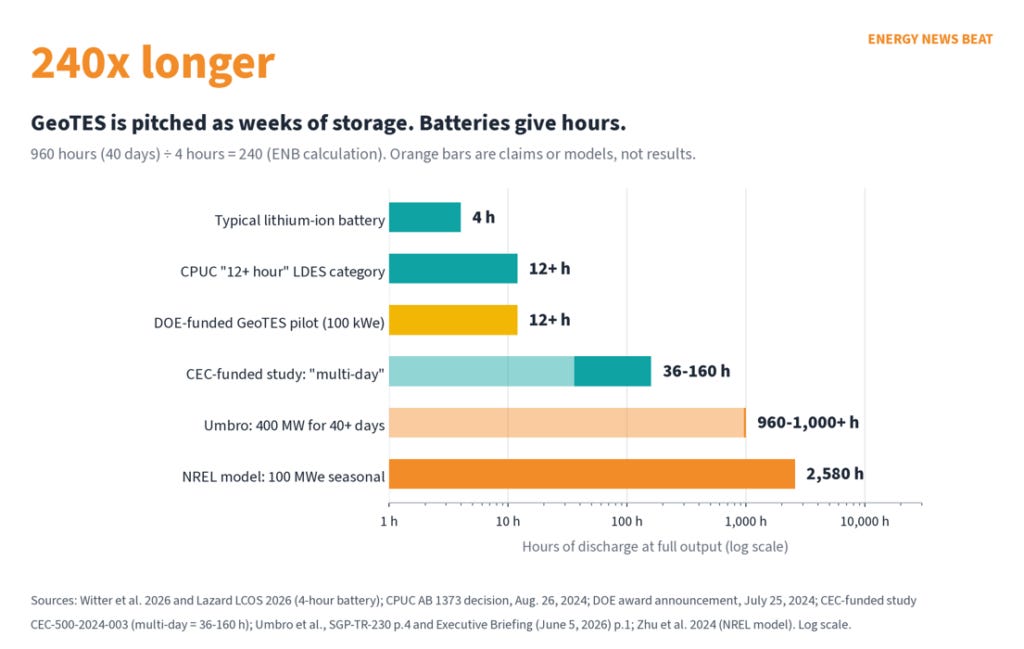
Geologic Thermal Energy Storage (GeoTES) may be the Holy Grail of Energy for Data Centers

Connect with Mike Umbro on his LinkedIn here: https://www.linkedin.com/in/mikeumbro/
Check out Californians for Energy & Science:
https://www.energyandscience.com/
1. Geologic Thermal Energy Storage (GeoTES) Technology
2. California’s Energy Crisis
- Electricity prices are among the highest in the nation (second only to Hawaii)
- The state imports 25-30% of its electricity and crude oil
- Recent grid instability caused spot prices to spike to $200-250 per megawatt hour
- Gasoline prices are inflated by state taxes and climate programs (adding ~$1.40 per gallon)
3. Refinery Closures and Their Impact
- The state had 40+ refineries in the 1980s; now only 7 remain with 5 slated to close
- Each refinery closure adds approximately $2 per gallon to gas prices
- This forces reliance on floating storage (tanker ships) and imports, increasing emissions
4. Regulatory and Permitting Challenges
- GeoTES wells are classified as oil and gas operations, not geothermal
- Obtaining aquifer exemptions and underground injection approvals has been extremely slow
- Contrast with Texas, where similar permits take weeks or months
5. Climate Policy Critique
- Cap-and-Invest and Low Carbon Fuel Standard programs generate billions but fund questionable projects (like the over-budget high-speed rail)
- These policies create “environmental leakage”—exporting emissions to other states while importing more expensive, dirtier power
- The programs don’t achieve their environmental goals while burdening consumers
6. Jones Act Waivers and Energy Independence
- These waivers have prevented $10 gasoline prices
- More product has been shipped in recent months than the previous 20 years combined
- Highlights the importance of domestic energy production
7. Investment and Tax Incentives
- The project is self-funded with $4-5 million raised privately
- $6 million DOE grant through the Critical Minerals and Energy Innovation Office
- Tax incentives available through the Inflation Reduction Act, geothermal tax credits, and solar credits
- Potential for private investors through intangible drilling costs (IDCs)
8. Future Potential and Scalability
- Could be applied across the U.S. wherever oil and gas drilling has occurred
- Massive potential in Texas, Louisiana, and the Gulf Coast
- Full field development could yield a 400-megawatt power plant
- Could generate $2 billion in infrastructure investment
9. Environmental Benefits and Contradictions
- California’s policies shut down domestic oil production, forcing imports from less regulated regions
- The GeoTES project produces carbon-negative power while utilizing existing oil fields
- California’s oil is already among the cleanest in the world by carbon intensity
As I rolled out my show notes last Sunday, the Grok Bot Fact Check team’s conclusion on the slide deck Mike Umbro sent over was that the project is needed, and we need to prove it so we can have a true Green Battery Solution.
The bottom line
Mike and his team are among the most dedicated to delivering the lowest-cost kWh with the least environmental impact, and I talked with him about his tax-preferred investments for Accredited Investors. We’ll work through how some of those numbers look in future meetings.
We would also like to give our sponsors a shout-out.
Check out the World’s Greatest Podcast Show Notes at EnergyNewsBeat.co or EnergyNewsBeat.com, and the Energy News Beat Substack at:

At The Intersection of Energy and Finance – By Sandstone Group
A shout-out to Steve Reese and the Reese Energy Consulting group for sponsoring the Podcast https://reeseenergyconsulting.com/.
Data2 if you have any business systems, can you trust A? Well, they have the patent on validation. . https://data2.zoholandingpage.com/energy
And we have WellDatabase rolling, and we use their tools for the Energy News Beat weekly Rig Reports: https://welldatabase.com/
Also entering Sponsor Rey Trevino, Pecos Operating

