Two Indian-flagged ships carrying Iraqi oil were struck. What does this mean for the oil, gas and LNG markets?

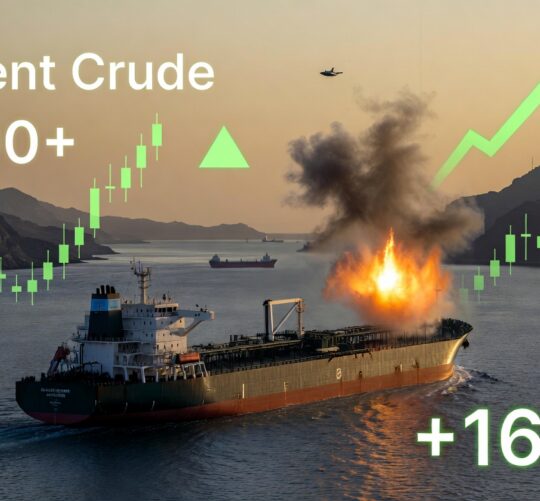
In a sharp escalation of tensions in the Persian Gulf, two Indian-flagged vessels—one a VLCC supertanker carrying approximately 2 million barrels of Iraqi crude—were fired upon by Iranian Revolutionary Guard Corps (IRGC) gunboats in the Strait of Hormuz on April 18, 2026. The ships, identified as the Sanmar Herald and Jag Arnav, were forced to […]

Continue Reading

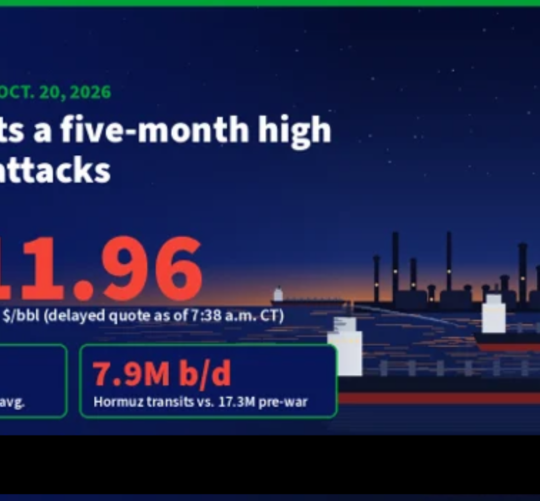
Tankers U-Turn as the IRGC Says Strait of Hormuz is Closed: What Happens Next is Anyone’s Guess and Price Volatility Looks to Be Short Term

In a fluid and confusing situation that has maritime operators on edge, several tankers and cargo vessels executed abrupt U-turns in the Strait of Hormuz over the past 48 hours after Iran’s Islamic Revolutionary Guard Corps (IRGC) signaled a return to tight control of the waterway. While Iran’s foreign minister declared the strait “completely open” […]

Continue Reading

Oil Tankers and Traffic Test Hormuz Reopening

In a significant development for global energy markets, Iran announced today that the Strait of Hormuz is now “completely open” to commercial shipping for the remainder of the fragile ceasefire period tied to the Lebanon truce. The announcement, made by Iranian Foreign Minister Abbas Araghchi, comes amid ongoing U.S. naval restrictions on vessels calling at […]

Continue Reading

Dallas Fed Impact Study of the 2026 Iran War on U.S. Inflation: A Scenario Analysis

As the 2026 Iran War continues to ripple through global energy markets—particularly with disruptions tied to the Strait of Hormuz—policymakers, energy producers, and consumers are closely watching the inflationary fallout. A timely new working paper from the Federal Reserve Bank of Dallas provides a rigorous, scenario-based framework for quantifying exactly how oil price shocks from […]

Continue Reading