Energy Realities Podcast: A Deep Dive into Global Energy Policy, Grid Reliability, and Political Corruption
In this episode of the Energy Realities podcast, host Stu Turley sits down with Dr. Tammy Nemeth and David Blackmon to tackle the most pressing issues facing the global energy landscape. From the failures of wind and solar as standalone grid solutions to the environmental devastation of renewable infrastructure, the hosts pull no punches in examining how political ideology, corporate corruption, and flawed energy policies are driving up electricity costs while undermining grid stability. With discussions ranging from the UK’s contradictory “energy independence” bill to the looming crisis of 15,000 aging wind turbines reaching end-of-life, this conversation exposes the uncomfortable truths about renewable energy that mainstream media refuses to address. Whether you’re an energy professional, policymaker, or concerned citizen, this episode provides a reality check on the state of global energy policy and the urgent need for competent, market-driven solutions.

1. Energy Policy & Political Messaging
The hosts discuss how energy policies have become highly politicized, with Democrats and Republicans unable to effectively communicate their positions. They note that Republicans failed to articulate simple messaging like “blue = higher energy prices” during recent elections, despite this being factually true.
2. Wind and Solar Economics & Grid Reliability
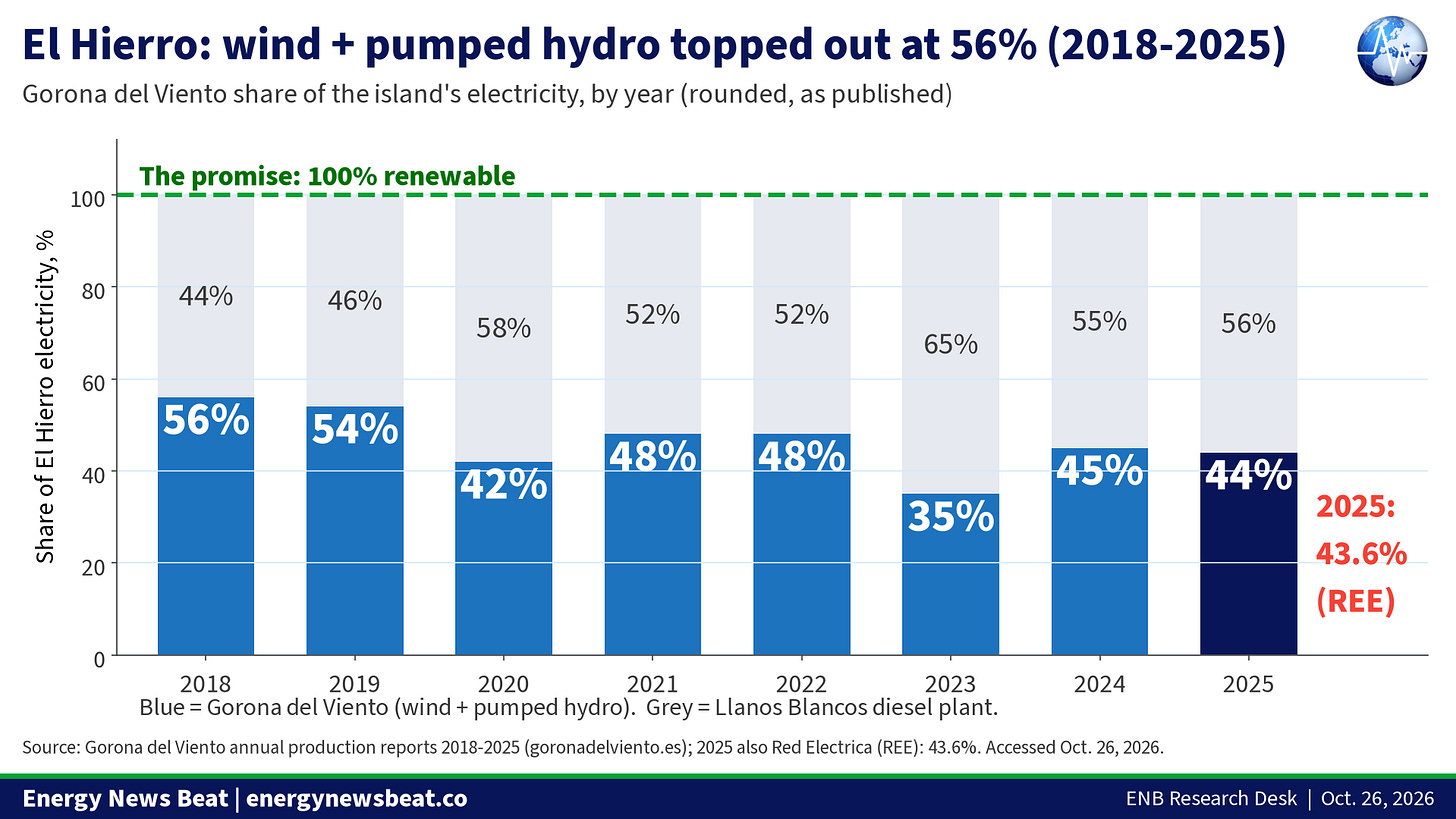
A central theme is that wind and solar are not inherently expensive—rather, it’s the associated green policies, transmission line costs, and carbon taxes that drive up electricity prices. The hosts emphasize that stable, reliable, dispatchable power is essential for grid stability, and wind/solar alone cannot provide this. They discuss the El Hierro island case study, where even in ideal conditions, diesel generators were needed 35% of the time.
3. Transmission Line Infrastructure
Extensive discussion about the massive costs and land acquisition challenges of building new high-voltage transmission lines to connect remote wind and solar farms to population centers. They highlight the environmental and property rights concerns, including the condemnation of hundreds of thousands of acres of private land.
4. UK Energy Independence Bill
The hosts critique the UK’s proposed “energy independence” bill, which bans new oil and gas exploration while allowing previously approved projects. They argue this is contradictory and will make the UK dependent on imported energy from other countries, particularly China.
5. Environmental & Land Use Concerns
Discussion of wind turbine blade graveyards, solar panel disposal (98% going to landfills or shipped overseas), and the lack of land reclamation requirements. New York State’s decision to allow solar panels to be buried under 3 feet is criticized as environmentally irresponsible.
6. COP 31 & Global Climate Agreements
The hosts discuss COP 31 negotiations, particularly the proposed “35 by 35” target (35% of all energy electrified by 2035) and concerns about how this benefits China while disadvantaging Western countries.
7. Education System Decline
A discussion about declining educational standards, with college freshmen unable to read at a sixth-grade level, and resistance to introducing energy literacy into school curricula.
8. Corruption in Energy Policy
The hosts argue that wind and solar industries are “client industries” of the Democratic Party, and that the entire process is driven by crony capitalism and subsidies rather than market economics.
9. Renewable Energy Greenwashing
Discussion of companies like Bloom Energy using natural-gas-powered fuel cells while marketing themselves as “green energy,” reflecting a trend of greenwashing natural gas as a transition fuel.
If you need power before 5 years, you may want to give them a call, as they appear to have a good solution; they just call it “Green Energy” even though it uses natural gas for the fuel cell. So it is ok to “Greenwash”?
10. Future Energy Challenges
Predictions about 15,000 wind turbines reaching their 20-year lifespan in the next two years with no clear repowering strategy or subsidy support, potentially leading to higher energy costs for consumers.
El Hierro Built a 100% Renewable Island. Diesel Still Made Most of the Power. Dr. Nemeth brought this up, and we compared it to Texas and other stable power sources.
Next week we will have The Nemeth Report and David Turver on the Energy Realities, with David taking some time off. Buckle up, I might have to do some more David Blackmon impressions.
For Stu Turley on The Energy News Beat Substack:

For David Blackmon

For Tammy Nemeth